
A currency pair is often described as a vote on two economies, but on the day a central bank meets, it behaves more like a scoreboard for one specific question: was the market right? The interest rate itself is rarely the shock. Most of the time the decision is well telegraphed, priced to the basis point by futures and overnight index swaps weeks in advance. What moves the euro, the dollar or the yen is the distance between the decision investors had already paid for and the one they actually got — plus everything the central bank says in the twenty minutes afterwards.
Understanding that gap is the difference between reacting to headlines and reading them. The mechanics are learnable, and they hold up across developed and emerging currencies alike.
Capital has a restless tendency to seek the higher return, adjusted for risk. When one central bank pays more than another, holding that currency becomes more attractive — either to earn the carry directly or to hedge against it. This is why analysts watch two-year government bond spreads far more closely than the policy rate itself. The policy rate is today. The two-year yield is the market's guess about the next two years of policy, and that guess is what traders actually buy and sell.
Real yields sharpen the picture further. A 5% policy rate with 6% inflation is a losing proposition in purchasing-power terms; a 3% rate with 1% inflation is generous. Currency markets eventually notice the difference, even if the headline number grabs the attention first.
There is a second layer: the direction of travel. A central bank holding at a high level while signalling the next move is down can weaken its currency even though the yield is still attractive. Markets pay for the future, not the present.
Here is the counterintuitive part. A central bank can raise rates by a quarter point and still see its currency fall. If the market had spent the previous week pricing a half-point move, a quarter-point hike is a disappointment dressed as tightening. The rate went up; the currency went down. Newcomers find this baffling, experienced traders find it routine.
Three things can surprise, and they rarely surprise by the same amount:
Surprises also fade. A move driven purely by positioning — traders caught on the wrong side, forced to unwind — often retraces within days once the flow is done. A move driven by a genuine reassessment of the rate path tends to hold. Distinguishing the two is most of the skill.
Central banks communicate in a deliberately cautious register, which makes small changes in wording enormously informative. When a phrase such as "further tightening may be appropriate" quietly disappears from a statement, the market reads it as a pivot in miniature. When a bank adds a reference to risks being "more balanced", that is forward guidance by other means.
The press conference deserves its own attention. Prepared remarks are usually drafted by committee and read by everyone; the question-and-answer session is where a governor can accidentally reveal the balance of opinion on the committee. Two things are worth watching closely: whether the governor pushes back against market pricing, and whether the same question gets two different answers. The first is a genuine policy tool. The second is a signal of internal division, and divided committees tend to move more slowly than markets hope.
Minutes and speeches in the following weeks extend the reaction window. A decision day is not a single event; it is the opening of a two-week conversation.
The size of the reaction depends on the currency on the other side of the trade. A few practical distinctions:
This is why two pairs sharing the same dollar can move in opposite directions on the same afternoon. The central bank set the tone; the other leg wrote the story.
Imagine a central bank widely expected to hold rates steady, with the market pricing an outside chance of a cut within two meetings. It holds — but the statement drops any reference to future easing and the governor says the committee has not discussed cuts at all.
Nothing in the rate level changed. Yet the expected path of policy just shifted upward, so the two-year yield rises, the currency appreciates, and anyone positioned for a dovish outcome faces a loss. Now flip it: same hold, same statement, but the governor spends the press conference emphasising downside risks to growth. The rate is identical, the currency goes the other way. The lesson is that you are trading the reaction function, not the announcement.
The most useful habit is a simple two-column log: what the market expected, and what it got. Fill it in for every major central bank meeting for a few months and the asymmetry becomes visible in your own handwriting. You will start to notice that the biggest moves cluster around guidance changes rather than rate changes, and that the pairs you assumed were quiet can be the most violent when a funding currency is involved.
Keep position sizes modest around these events. Spreads widen, liquidity thins in the seconds after a release, and slippage is a real cost that never appears in the analysis. If a decision falls outside your understanding of the reaction function, sitting it out is a legitimate strategy rather than a failure of nerve.
And treat the whole exercise as interpretation, not prediction. Nobody consistently forecasts the number and the wording and the tone. What can be built, slowly, is a sense of which surprises matter and how long their effects tend to last. That is a more durable edge than a guess about a quarter point.
A final note: currency markets involve leverage and can produce losses quickly. Nothing here is investment advice, and if you are managing meaningful capital — your own or anyone else's — it is worth speaking to a regulated financial professional about your circumstances.
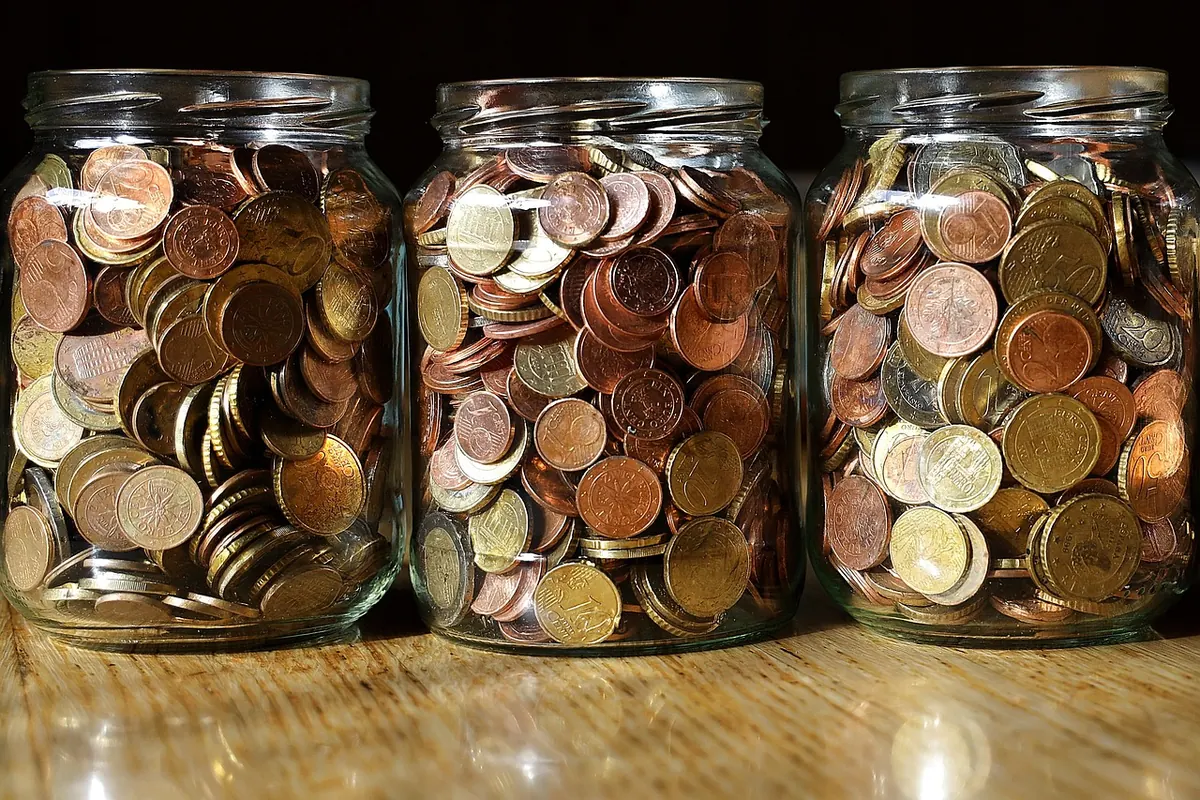
Photo: Ingo Joseph / Pexels

Italy's small caps absorb shocks less easily than large indices, so liquidity, family control and regulation show up...

A practical behavioral checklist for market corrections: why panic selling, over-concentration, skipped rebalancing...
Cash reserves and market investments do different jobs. Here is how to size an emergency fund, where to keep it, and...

Insights and ideas on financial markets.
